English
 Uzbek
Uzbek
 Russian


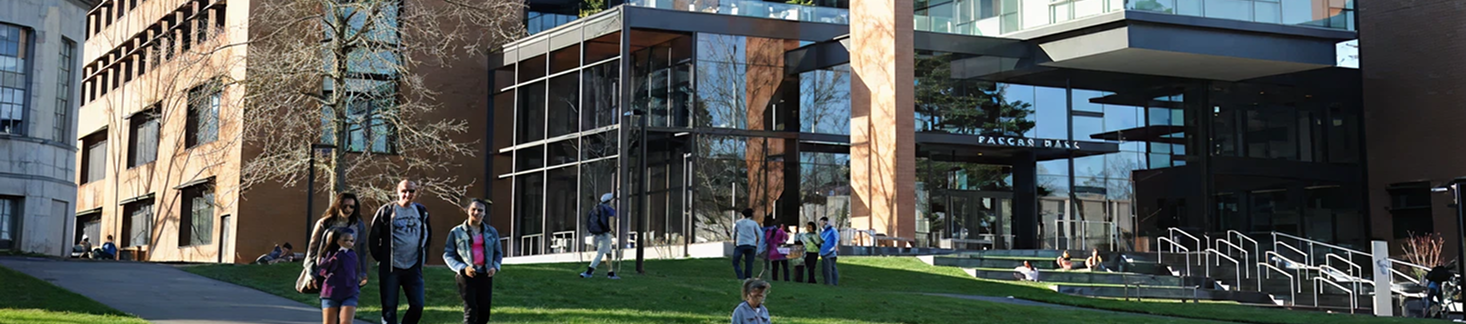

Laboratory-based learning
Bachelor’s programme
B.Sc. Materials Science and Nanotechnology
Advanced materials, nano-scale thinking and practical laboratory work.

01
Program Overview
B.Sc. Materials Science and Nanotechnology
The Bachelor of Science in Materials Science and Nanotechnology explores how materials are designed, processed and applied from the macro level to the nanoscale. Students connect physics, chemistry, engineering and nanoscience to understand the materials that drive modern technology.
The programme prepares students for work with advanced materials used in energy, electronics, healthcare, aerospace, manufacturing and sustainable industry. Learning combines theory, laboratory practice, research projects and real engineering problem-solving.
Nanotechnology foundations
Materials for energy and industry
02
Program Structure
The exact curriculum can be adjusted by the University as academic and industry needs develop.
Year 1
Engineering foundations
- Engineering Mathematics
- General Physics
- Chemistry for Engineers
- Academic English
Year 2
Materials core
- Structure and Properties of Materials
- Materials Characterisation
- Engineering Drawing
- Statistics and Data Analysis
Year 3
Applied nanotechnology
- Nanomaterials
- Surface Engineering
- Manufacturing Processes
- Research Methods
Year 4
Professional practice
- Capstone Project
- Industrial Internship
- Advanced Functional Materials
- Innovation and Entrepreneurship
03
Entry requirements
View requirements
Completion of 11 years of secondary education or an academic lyceum/vocational college diploma.
Successful performance in Mathematics, Physics and English entrance assessments or recognised exemptions.
Valid passport or national ID, school certificate/diploma, academic transcript and requested admissions documents.
04
Graduation Requirements
B.Sc. Materials Science and Nanotechnology
Complete the required academic credits and pass all core modules.
Successfully complete laboratory work, research assignments and the final capstone project.
Meet university academic regulations and internship requirements.
05
Fees and funding
State-grant support
Students admitted before the 2029/2030 academic year study fully on a state grant.
For scholarship students, tuition is covered by the state.
Students should plan personal expenses for learning materials, transport and living costs.
06
Job opportunities
B.Sc. Materials Science and Nanotechnology
Materials engineer
Nanotechnology technologist
Quality control engineer
Laboratory specialist
R&D assistant
Graduate researcher